Many people across the United Kingdom rely on disability benefits to manage daily expenses related to health conditions and long-term disabilities. In March 2026, the Department for Work and Pensions introduced updated benefit rates as part of the annual uprating process. These changes are designed to help claimants cope with the rising cost of living and ensure that financial support keeps pace with inflation.
Understanding the £778 Monthly Payment
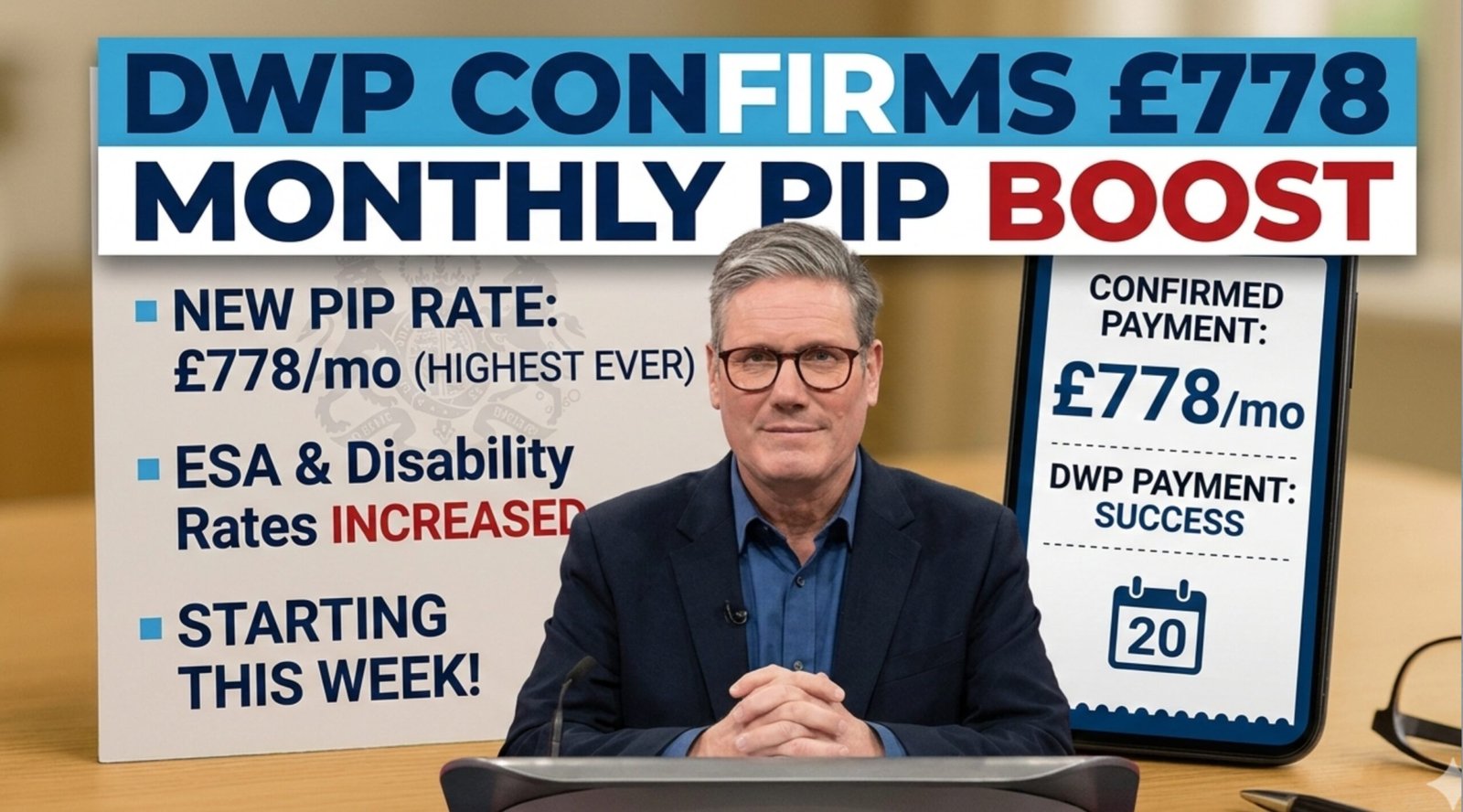
A figure of around £778 per payment cycle has recently been discussed among claimants. This amount does not represent a standard payment for everyone. Instead, it reflects the maximum combined payment for Personal Independence Payment when a claimant receives the enhanced rate for both the daily living and mobility components.
Under the updated rates for the 2026/27 financial year, the enhanced daily living component has increased to £114.60 per week. The enhanced mobility component has risen to £80 per week. When these two amounts are combined, the weekly total becomes £194.60. Since PIP is normally paid every four weeks, this results in a payment of approximately £778.40 for those receiving both enhanced components.
यह भी पढ़े:
 HMRC Officially Confirms New Notices for Pensioners With £3,000+ Savings : Full Rules Explained
Changes to Personal Independence Payment Rates
Personal Independence Payment helps people manage extra costs caused by disability or long-term health conditions. The benefit is divided into two parts, which assess how much assistance someone needs with daily activities and mobility.
For 2026, the standard rate for the daily living component has increased to £76.70 per week. Claimants who qualify for the enhanced level receive £114.60 weekly. These adjustments may appear modest on a weekly basis, but they add a significant amount of support over a full year.
The mobility component has also increased. The standard mobility rate is now £30.30 per week, while the enhanced mobility rate has risen to £80 per week. These payments are important for individuals who require assistance with transportation or mobility equipment.
Other Disability Benefits Increasing in 2026
In addition to PIP, other disability-related benefits have also increased. Employment and Support Allowance continues to support individuals whose health conditions limit their ability to work. Claimants placed in the Work-Related Activity Group now receive higher weekly payments that combine a personal allowance with an additional support component.
For those placed in the Support Group, the total weekly payment is higher because the government recognizes that these individuals are unlikely to return to work due to severe health conditions. Attendance Allowance and Disability Living Allowance rates have also increased, ensuring that older claimants receive similar levels of support.
Why Benefit Rates Have Increased
Each year the government reviews disability benefit amounts using the Consumer Price Index recorded in the previous year. For the 2026 uprating, inflation figures from late 2025 resulted in an increase of around 3.8 percent across many benefits.

This adjustment helps maintain the purchasing power of support payments so that disabled individuals can continue to afford essential services, equipment, and everyday living costs.
Key Disability Benefit Rates for 2026
| Benefit Type | Weekly Amount | Approx. Four-Week Payment |
|---|---|---|
| PIP Daily Living (Standard) | £76.70 | £306.80 |
| PIP Daily Living (Enhanced) | £114.60 | £458.40 |
| PIP Mobility (Standard) | £30.30 | £121.20 |
| PIP Mobility (Enhanced) | £80.00 | £320.00 |
| Maximum Combined PIP | £194.60 | £778.40 |
Payment Schedule and What Claimants Should Expect
Disability benefits are usually paid every four weeks on a fixed day depending on the claimant’s payment schedule. Because payments follow different cycles, some individuals may see the updated amounts earlier than others. In certain cases, the first payment after the uprating may include a mixture of old and new rates before the full increase is applied in the next payment cycle.
These updated rates are intended to provide greater financial stability for people living with disabilities and long-term health conditions during the 2026 financial year.

Disclaimer
This article is for informational purposes only. Benefit rates, eligibility conditions, and payment schedules may change based on official government decisions. Individuals should confirm their personal benefit details through official Department for Work and Pensions sources or their benefit award letters.