Changes to the pension age for women in the United Kingdom have been a major topic of discussion for several years. Many women born in the 1950s say they were not given enough notice when the State Pension age increased. Because of this, thousands of people felt financially unprepared for the later retirement age. The issue eventually led to the creation of the Women Against State Pension Inequality, widely known as the WASPI campaign, which continues to seek fairness and compensation for affected women.
Background of the Pension Age Changes
In the past, the pension age in the UK was different for men and women. Women could receive the State Pension at age 60, while men had to wait until age 65. Over time, the government introduced reforms to equalise the retirement age and later increase it for both groups. These reforms were implemented gradually and are managed by the Department for Work and Pensions.
The government explained that the changes were necessary because people are living longer and the pension system must remain financially sustainable. However, many women affected by the reforms believe the changes were not communicated clearly enough.

Why the WASPI Campaign Was Created
The WASPI campaign represents women born in the 1950s who experienced increases in their pension age. Many of these women had already planned their retirement based on the expectation of receiving their pension earlier. Some had left their jobs or reduced their working hours, expecting their pension payments to begin soon.
When the retirement age increased, they had to wait longer to receive their benefits. This unexpected delay caused financial difficulties for some individuals, especially those who had limited savings or faced challenges returning to work.
Investigation and Compensation Discussions
Concerns about communication failures were later examined by the Parliamentary and Health Service Ombudsman. The investigation found that the government did not properly inform some women about the pension age changes. As a result, the Ombudsman suggested that compensation should be considered for those affected.

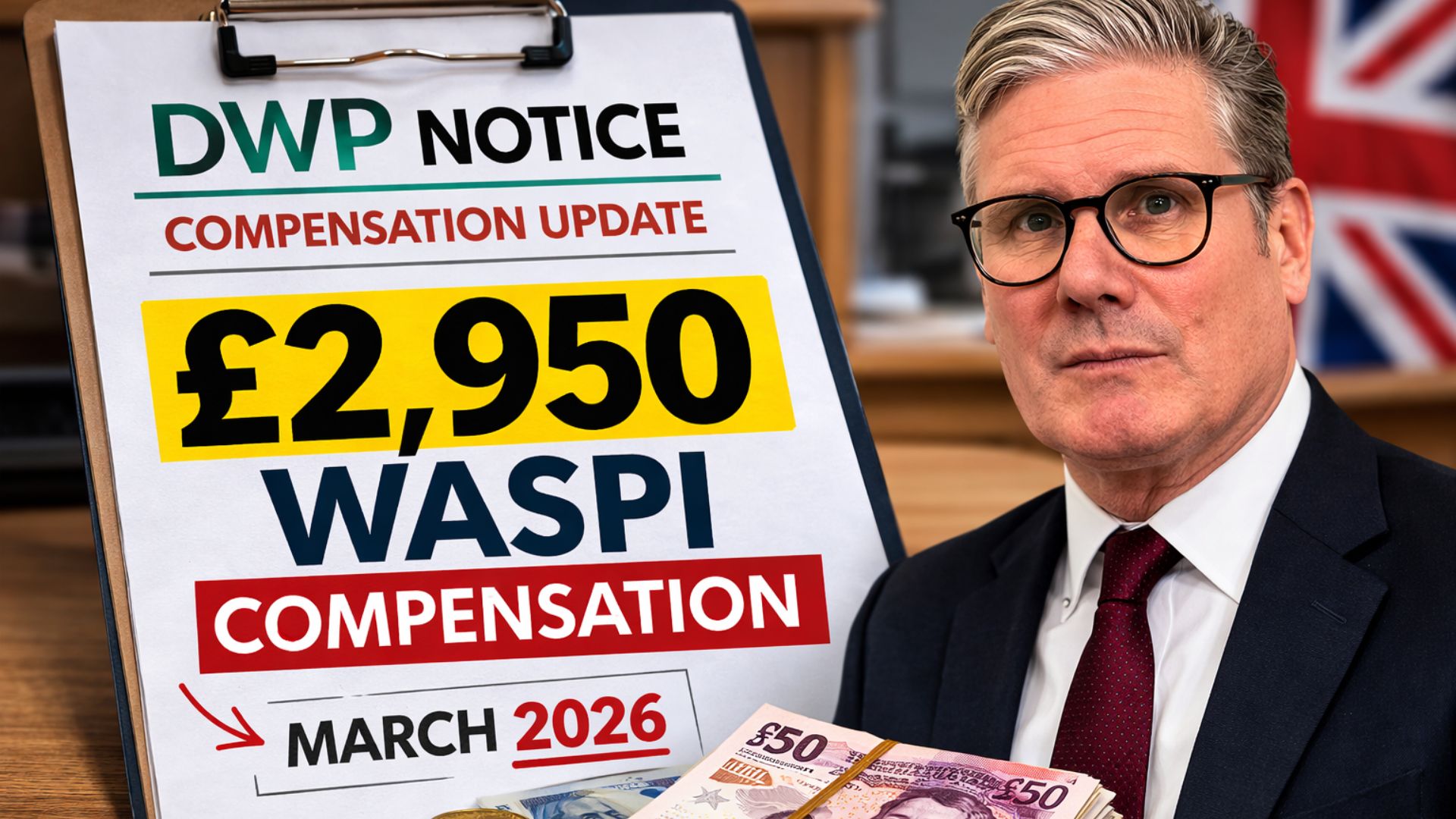
Reports about possible compensation payments have mentioned figures around £2,950 for some individuals. This amount is often discussed as part of a broader compensation range that may depend on the level of impact experienced by each person.
Possible Eligibility and Payment Framework
If a compensation scheme is approved in the future, eligibility would likely focus on women born in the 1950s whose pension age increased due to the reforms. Factors such as date of birth and the extent of communication failures could play a role in determining who qualifies.
| Key Topic | Details |
|---|---|
| Affected Group | Women born in the 1950s |
| Issue | Lack of clear communication about pension age increase |
| Campaign | Women Against State Pension Inequality (WASPI) |
| Investigating Body | Parliamentary and Health Service Ombudsman |
| Possible Compensation Example | Around £2,950 in some discussions |
| Final Decision | Requires government approval |
Importance of Clear Communication in Policy Changes
Large policy changes can affect millions of people, especially when they involve retirement planning. Clear communication is essential so individuals have enough time to adjust their financial plans. In the case of pension reforms, many campaigners believe better information could have reduced the financial difficulties faced by some women.

The debate about compensation continues because it raises broader questions about fairness, accountability and transparency in public policy. For many of the women affected, the issue remains closely connected to their financial security in retirement.
Disclaimer: This article is for informational purposes only. It summarizes publicly discussed issues related to pension age reforms and potential compensation proposals. It does not represent official confirmation of payments. Individuals should refer to official government sources for the most accurate and updated information.