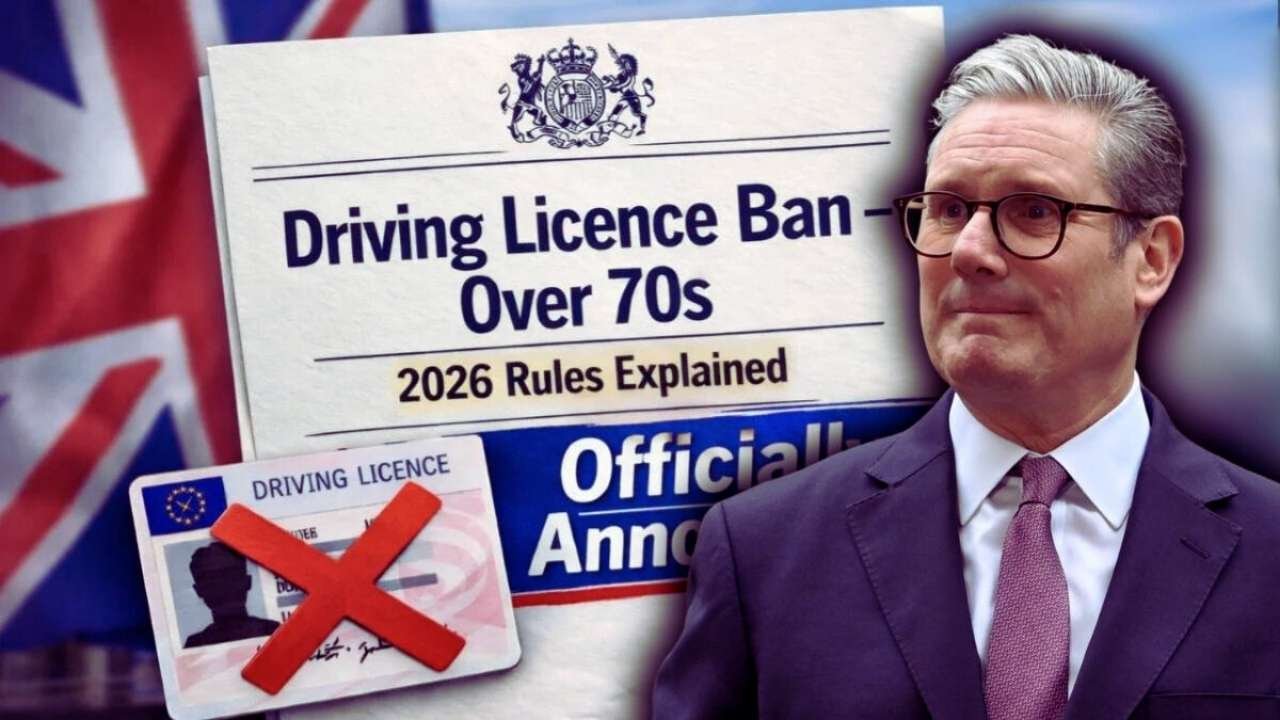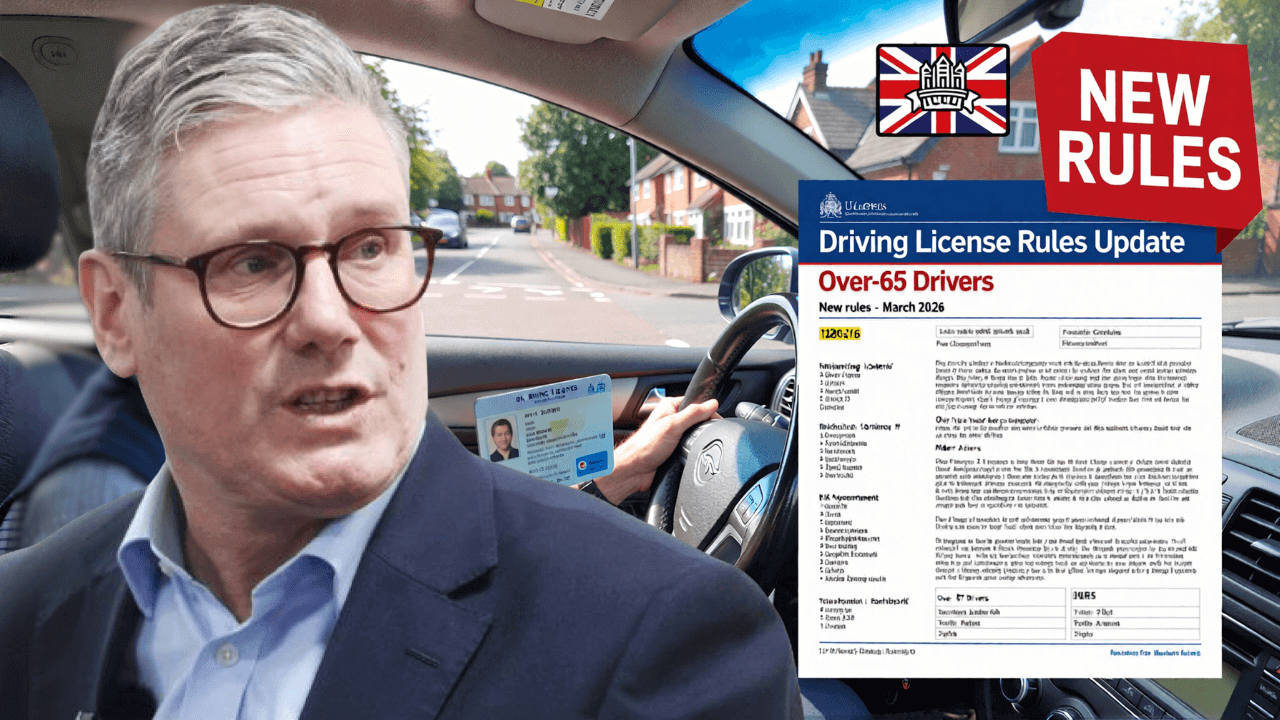
Driving is an important part of everyday life for many people in the United Kingdom. It allows individuals to travel freely for shopping, medical appointments, family visits, and social activities. For older drivers, especially those living in areas with limited public transport, driving can play a key role in maintaining independence. As more people continue driving later in life, discussions about driving licence rules for older motorists have recently gained attention.
Understanding Driving Licence Rules in the UK
Driving licences in the United Kingdom are issued and managed by the Driver and Vehicle Licensing Agency. This government body keeps records of drivers, issues licences, and ensures that motorists meet the legal requirements needed to drive safely.
To obtain a licence, drivers must pass both theory and practical driving tests. Once a licence is issued, it remains valid for many years, although drivers must renew it periodically to ensure their personal details remain accurate and that they still meet legal standards for driving.

Age and Driving Regulations
Age alone does not automatically make someone an unsafe driver. Many older motorists have years of driving experience and strong awareness of road conditions. However, as people grow older, certain health conditions may appear that can affect driving ability.
Changes in vision, hearing, reaction time, or mobility can influence how safely someone can operate a vehicle. Because of this, driving licence systems often include age-related requirements that focus on safety rather than restricting older drivers.
Licence Renewal After Age 70
In the UK, drivers must renew their driving licence when they reach the age of 70. After this point, the licence must be renewed every three years. The renewal process allows drivers to confirm that they remain medically fit to drive.

During renewal, drivers are required to declare any medical conditions that might affect their driving ability. Most licence renewals can be completed online or by submitting a form through the post. The process is generally straightforward and designed to keep driver information up to date.
Focus of Recent Updates
Recent discussions about licence rules for drivers aged 65 and older mainly focus on improving safety awareness and administrative processes. These updates are not intended to prevent older people from driving but to ensure that road safety standards remain effective.
Authorities may introduce improved medical reporting systems, clearer guidance about health conditions that affect driving, and more convenient digital services for licence renewal. Public awareness campaigns about safe driving practices are also part of these efforts.

Importance of Medical Fitness
Drivers in the UK have a legal responsibility to inform the licensing authority if they develop a medical condition that could affect their driving ability. Some conditions, such as serious vision problems or illnesses that may cause loss of consciousness, must be reported.
In many situations, drivers with well-managed health conditions can continue driving without restrictions. The aim is to ensure safety while allowing individuals to maintain independence whenever possible.
Key Points About Driving Licence Rules
| Topic | Explanation |
|---|---|
| Licensing Authority | Driver and Vehicle Licensing Agency |
| Renewal Age | Licence renewal required at age 70 |
| Renewal Frequency | Every three years after age 70 |
| Health Reporting | Drivers must report conditions affecting driving |
| Purpose of Updates | Improve safety and simplify administrative processes |
Conclusion
Driving remains an essential part of life for many older adults in the UK. It provides independence and helps people stay connected with their communities. While discussions about licence rules for older drivers continue, most updates focus on improving safety and ensuring the system remains efficient rather than limiting the ability of older drivers to stay on the road.

Disclaimer
This article is for informational purposes only. Driving regulations and licensing requirements may change based on government policy or official updates. Individuals should consult official government sources or the Driver and Vehicle Licensing Agency for the most accurate and current information regarding driving licence rules.