The personal tax allowance is one of the most important parts of the United Kingdom’s income tax system. It determines how much money individuals can earn each year before they begin paying income tax. For millions of workers, pensioners, and self-employed people, this allowance directly affects take-home income and overall financial planning. Because of its importance, any discussion about changes to the allowance quickly gains attention across the country.
Understanding the Personal Tax Allowance
The personal allowance is the amount of income that a person can receive each year without paying income tax. This threshold applies to most types of income, including wages, pensions, and some other taxable earnings. Once income rises above the allowance, the remaining amount becomes subject to income tax according to the applicable tax band.
The UK tax system is administered by HM Revenue and Customs. This government department is responsible for collecting taxes and ensuring that individuals and businesses pay the correct amount based on their income levels.

Why the Personal Allowance Matters
The personal allowance plays a key role in determining how much income individuals keep after taxes. When the allowance increases, a larger portion of earnings remains tax-free. This can lead to lower tax bills and slightly higher take-home pay for many workers.
For pensioners, the allowance also influences how much of their retirement income becomes taxable. Many retirees receive income from several sources such as workplace pensions, private pension schemes, and the State Pension. If total income exceeds the personal allowance, the excess amount becomes taxable.
Discussion About a Possible £18,070 Allowance
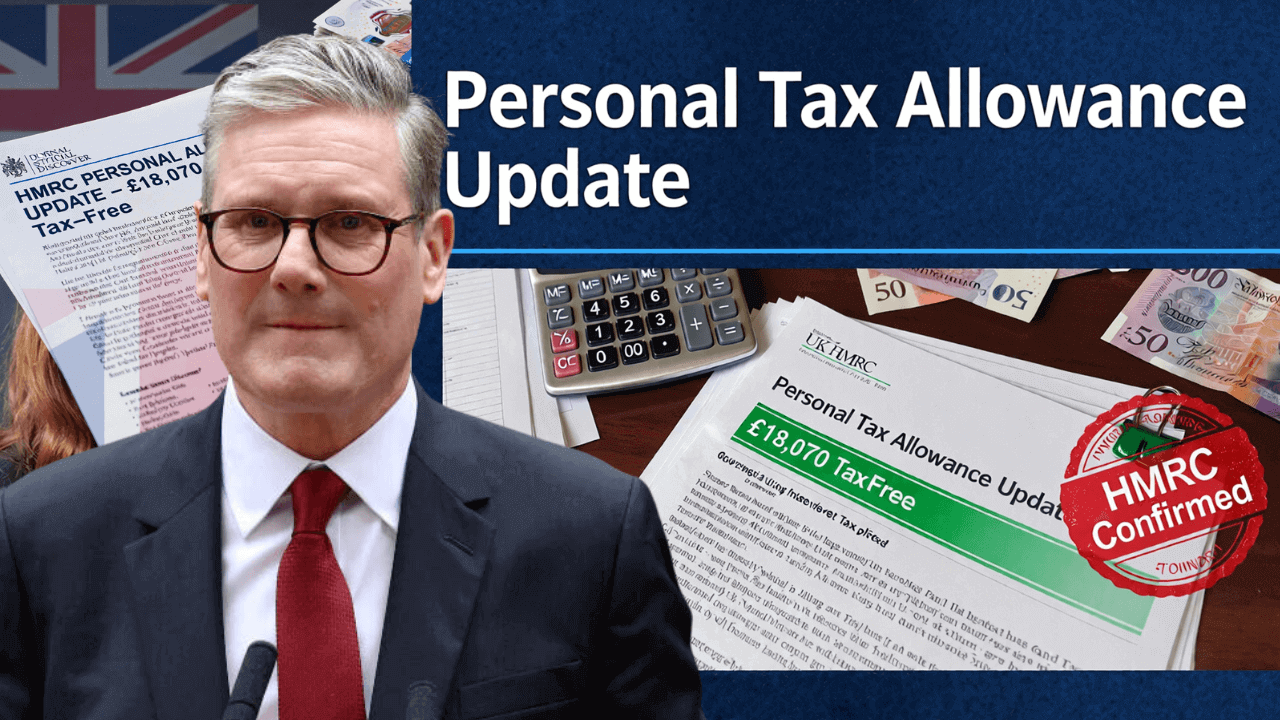
Recent discussions about raising the personal allowance to £18,070 have attracted interest among taxpayers. If such a change were implemented, individuals would be able to earn more money before paying income tax.

An increase of this size would reduce the portion of income that falls into taxable categories. Workers whose earnings are close to the allowance threshold would likely benefit the most because a larger share of their income would remain untaxed.
However, such tax changes must also be considered within the broader economic framework, as tax revenue helps fund public services including healthcare, education, and infrastructure.
How Tax Bands Work
The UK income tax system uses a tiered structure. The personal allowance marks the starting point of taxation. Once income rises above this level, the next portion of earnings is taxed at the basic rate.

Higher levels of income may fall into higher tax bands, where different rates apply. This system ensures that individuals with higher earnings pay a greater proportion of tax on additional income.
Overview of the Personal Allowance System
| Topic | Explanation |
|---|---|
| Personal Allowance | Income that can be earned before paying income tax |
| Managed By | HM Revenue and Customs |
| Proposed Threshold | £18,070 discussed in reports |
| Affected Groups | Workers, pensioners, and self-employed individuals |
| Financial Impact | Higher tax-free income and potential increase in take-home pay |
Importance of Understanding Tax Rules
Understanding tax allowances and thresholds helps individuals make better financial decisions. Workers can estimate their net income more accurately, while pensioners can understand how different sources of retirement income interact with tax rules.
By staying informed about tax policies and reviewing financial plans regularly, individuals can prepare for possible changes in the tax system and manage their finances more effectively.
Disclaimer
This article is for informational purposes only. Tax policies, allowances, and government decisions may change based on official announcements. Individuals should consult official government sources or professional financial advisers for the most accurate and up-to-date information regarding income tax and personal allowances.