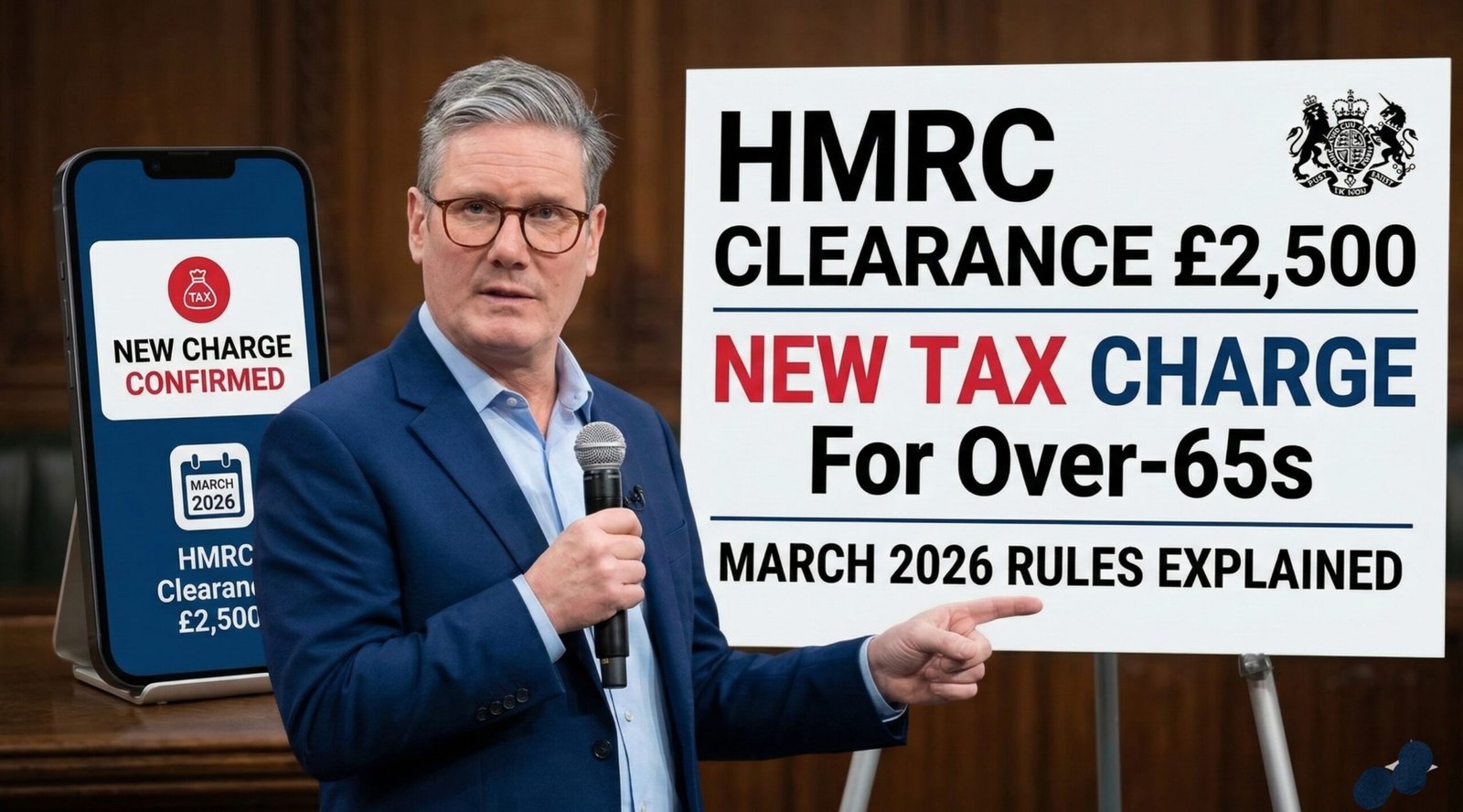
Many retirees in the United Kingdom have recently become concerned after hearing news about a possible “£2,500 tax charge” affecting people over the age of 65. The headlines may sound alarming, but the situation is more complex than a direct bill being sent by HM Revenue and Customs. In reality, this figure reflects the combined effect of several tax changes, frozen allowances, and rising pension payments in 2026. Understanding how these factors work together can help pensioners better manage their retirement income.
Why Pensioners Are Seeing Higher Taxes in 2026
The main reason for the increased tax pressure is something economists call fiscal drag. This happens when income rises due to inflation or policy changes, but tax thresholds remain the same. In the UK, the personal tax allowance has been frozen at £12,570 since April 2021. While incomes such as the State Pension are increasing, the tax-free threshold is not moving.
Because of this situation, many pensioners who previously paid little or no tax are now being pushed into the taxable income range. As incomes increase while the allowance stays frozen, a larger portion of retirement income becomes subject to tax.

Impact of the State Pension Increase
The State Pension has risen in 2026 due to the Triple Lock policy, which ensures pension payments grow each year based on inflation, wage growth, or 2.5 percent, whichever is highest. In 2026, the full new State Pension is expected to reach about £241.30 per week, which equals around £12,547 per year.
This amount is extremely close to the tax-free personal allowance. As a result, pensioners who receive even small additional income from private pensions, savings interest, or part-time work may find that most of their extra earnings are now taxable.
Additional Tax Factors Affecting Retirees
Several other financial changes also contribute to the higher tax burden in 2026. Dividend tax rates have increased and the dividend allowance has been reduced to £500. This means retirees who earn income from investments outside tax-free accounts may pay more tax than before.

Another issue is the personal savings allowance. Basic rate taxpayers can earn £1,000 in interest without paying tax, but higher rate taxpayers only receive a £500 allowance. If a pension increase pushes someone into the higher tax bracket, their savings allowance may drop suddenly.
Estimated Financial Impact for Some Pensioners
| Income Source | Approximate Amount (2026) | Tax Impact |
|---|---|---|
| Full State Pension | £12,547 per year | Uses most of the tax-free allowance |
| Personal Allowance | £12,570 | Almost fully used by pension |
| Dividend Allowance | £500 | Tax applies above this amount |
| Basic Income Tax Rate | 20% | Applies to extra income above allowance |
| Potential Additional Tax Impact | Up to £2,500 (varies by income) | Depends on pensions, savings, and investments |
Managing Taxes in Retirement
Although the tax changes may feel overwhelming, pensioners still have several ways to manage their tax exposure. Tax-free savings accounts such as ISAs remain one of the most effective tools because income earned inside them does not count toward taxable income. Some couples may also benefit from the Marriage Allowance, which allows part of one partner’s unused personal allowance to be transferred to the other.
Many retirees may also notice changes to their tax codes as HMRC updates its systems to reflect new pension levels. If a pensioner receives a tax notice or Simple Assessment letter, it is important to review the information carefully and contact HMRC if something appears incorrect.

Disclaimer
This article is intended for general informational purposes only. Tax rules, pension rates, and allowances may change depending on government policy and HMRC updates. Individuals should consult official government guidance or a qualified tax advisor before making financial decisions related to pensions or taxation.